Blog ·
Decluttering Before You Move: A Room-by-Room Strategy That Reduces Everything
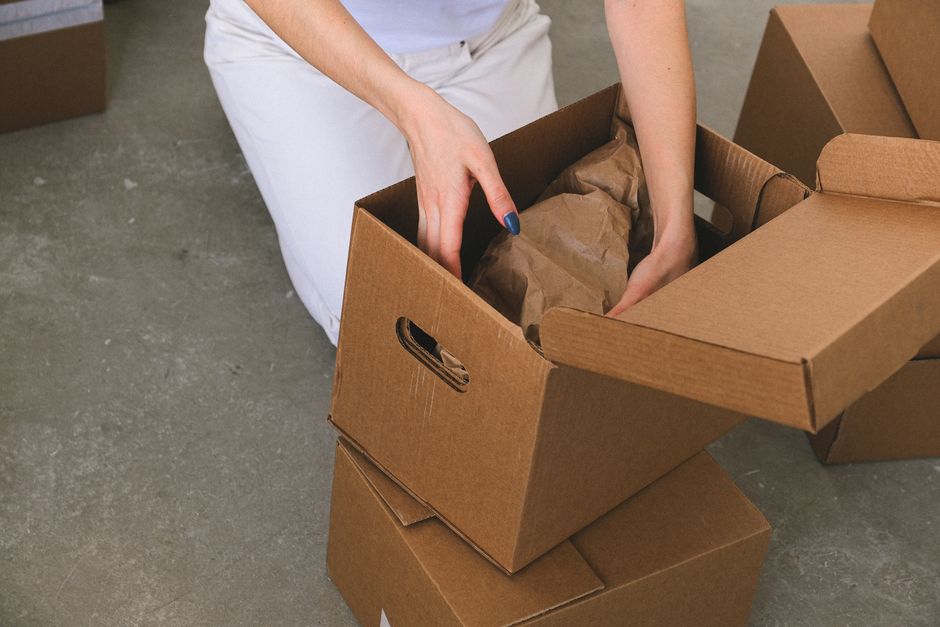
Moving is expensive partly because most people transport items they don't actually want or need. Before you pay to move something across town or across the country, ask yourself honestly whether that item deserves space in your new home. Decluttering before a move reduces what you're transporting, saves money, and gives you a fresh start.
Start with your bedroom. Pull everything out of closets. Keep only clothing you've worn in the past year and actually like wearing. The rest becomes donation bags. Do the same with under-bed storage, nightstands, and dressers. You'll be amazed how much unused clothing accumulates.
Move to your kitchen next. Duplicate kitchen tools are common—how many spatulas or measuring cups do you really need? Keep one set of dishes and glassware that you actually use. Appliances you haven't touched in a year belong in the donation pile, not your moving truck. Mismatched plastic storage containers? Keep ten matching sets and recycle the rest.
The living room and family areas contain accumulated books, magazines, decorative items, and electronics. Be selective. Books you won't reread, magazines you've already read, and outdated electronics are weight and space without benefit. Donate items in good condition to libraries or charity organizations.
Bathroom decluttering is straightforward. Expired medications go to a pharmacy. Duplicate hair tools, old skincare products, and medications you no longer use should be discarded properly. Keep one effective set of daily products rather than backups of everything.
Bedrooms, home offices, and storage areas often contain nostalgic items. Sentimental things deserve to move with you, but consider: do you need the entire yearbook collection, or would one special book work? Do you need every childhood artwork, or could you photograph and keep digital versions? Be intentional about nostalgia.
Garage and storage spaces are notorious for containing forgotten items. Old tools you no longer use, broken items you never repaired, sports equipment you've outgrown—these things should leave your life. If something's been in storage untouched for two years, you likely don't need it.
Create specific donation categories: items for charity organizations, items to sell locally, items for recycling, and items requiring special disposal. This organization streamlines the decluttering process rather than creating piles of uncertainty.
The financial benefit alone makes this worthwhile—smaller moving volume means lower transportation costs. But beyond money, moving fewer unnecessary items means entering your new home with intention rather than clutter. You're not carrying your old life's baggage into your new space. You're choosing what comes with you.